Coffee Stories · History
Café traditions around the world
Nine countries, nine completely different answers to the question "shall we get a coffee?"
3 min read
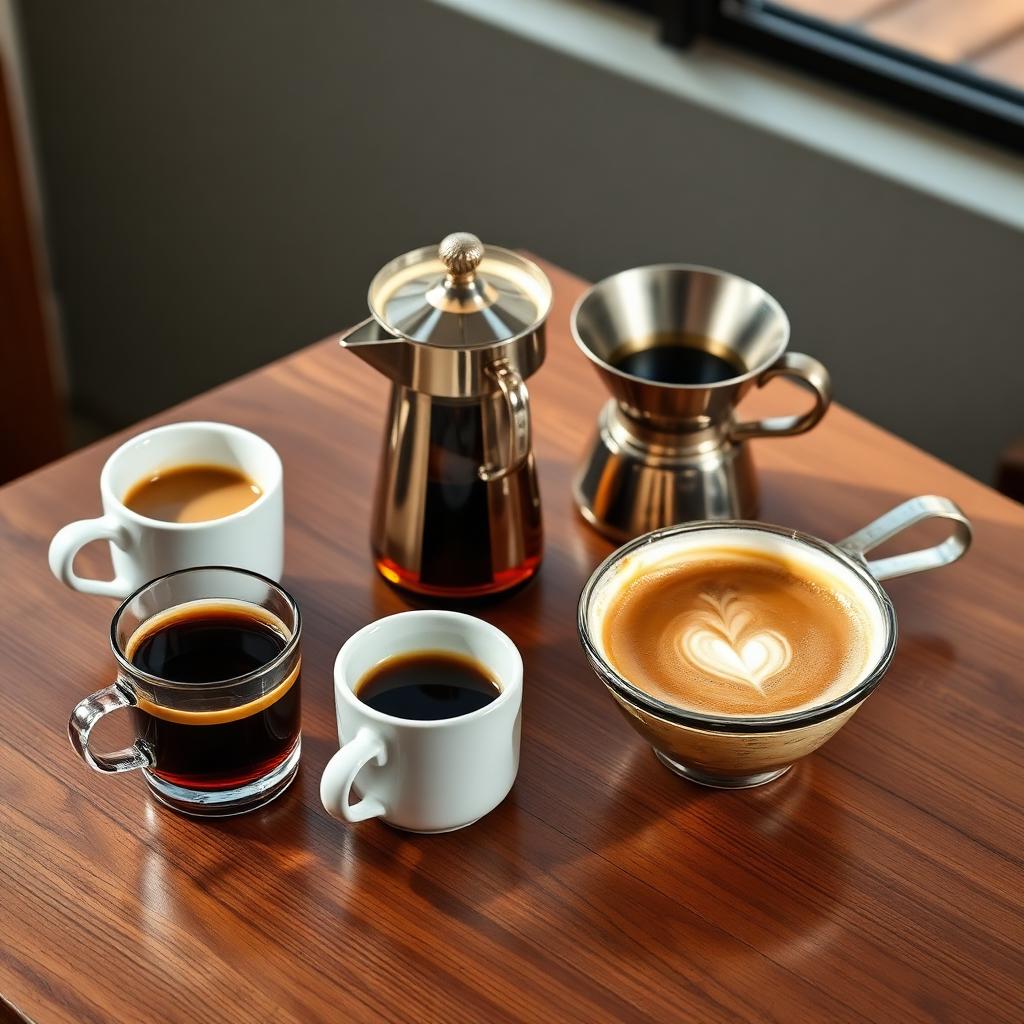
Ask for "a coffee" in nine different countries and you will receive nine different drinks, nine different price tags, and nine different sets of unspoken rules. Café culture is one of humanity''s most charming regional dialects. Here is a quick world tour — no boarding pass required.
Italy runs on ritual and speed. Espresso is drunk standing at the bar, often in under a minute, frequently several times a day. Cappuccino is strictly a morning drink — order one after lunch and you out yourself as a tourist, though the barista will serve it with only mild judgment. Sitting down can double the price; the bar is where the life is.
Turkey brews slowness itself. Turkish coffee — ultra-fine grounds simmered in a copper cezve, served unfiltered with the grounds settling in the cup — is a UNESCO-listed cultural heritage. It comes with a glass of water, something sweet, and time. When the cup is finished, tradition says your fortune can be read in the pattern of the grounds.
The Gulf pours hospitality. Arabic coffee — gahwa — is lightly roasted, spiced with cardamom and sometimes saffron, and poured from a long-beaked dallah into small handle-less cups called finjan. The server pours only a little at a time, refilling until you gently shake the cup to say "enough." Offering gahwa with dates is among the region''s oldest gestures of welcome, recognized by UNESCO as intangible heritage.
Ethiopia holds the original ceremony. Green beans are roasted over coals in front of guests, pounded by hand, and brewed three successive times in a clay jebena. The three rounds — abol, tona, baraka — can stretch across hours of conversation. It is coffee as social glue, in the country where coffee began.
Vienna serves coffee with philosophy. The Viennese Kaffeehaus, another UNESCO-listed tradition, is a living room for the public: marble tables, newspapers on wooden racks, a melange (their cousin of the cappuccino), and the explicit right to sit for hours after ordering one drink. Writers, composers and revolutionaries all drafted their work in these rooms.
Sweden institutionalized the coffee break. Fika is a daily pause — coffee plus something sweet, ideally a cinnamon bun, taken with colleagues or friends. It is not grabbing coffee to go; the sitting down together is the point, and many workplaces build it into the day.
Japan perfected devotion. Kissaten — old-school coffee houses — feature masters who have hand-brewed siphon or pour-over coffee the same way for decades, one meticulous cup at a time. Modern Tokyo layers a world-class specialty scene on top, but the ethos is constant: coffee as craft deserving total attention.
Australia and New Zealand rewired the modern café. The flat white, silky and espresso-forward, spread from their intensely quality-driven café culture to conquer the world''s menus. Antipodean baristas raised the global bar for milk texture and casual excellence.
And the UAE? It might be the most interesting café crossroads on Earth right now: centuries of gahwa hospitality on one side, one of the world''s fastest-growing specialty coffee scenes on the other, with roasteries and independent cafés multiplying from Dubai to Abu Dhabi. Trace the whole global story — Ethiopian ceremony to Italian bar to Tokyo pour-over — and you can now taste most of it within a single city.
Wherever you drink it, the pattern repeats: coffee is never just the drink. It is the excuse for the pause, the conversation, and the company.