Coffee Stories · Roasting
Light, Medium or Dark? Choosing your roast
A quick guide to picking the roast that matches your taste.
3 min read
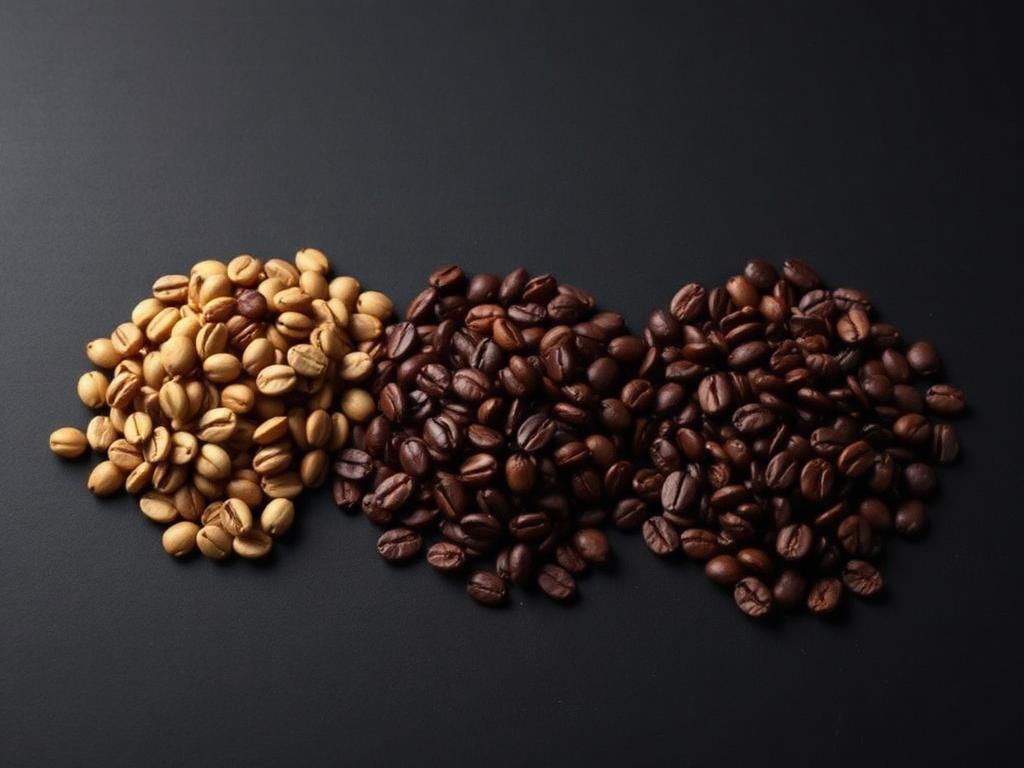
Stand in front of a shelf of coffee bags and the first choice you face is roast level. Light, medium, dark — it sounds like a strength setting, but it is really a flavor decision, and understanding it will improve every bag you buy.
Roasting transforms green coffee seeds into the aromatic brown beans we grind. As heat builds, sugars caramelize, acids break down, and hundreds of new aroma compounds form. The longer and hotter the roast, the more the flavor of the roasting process itself replaces the flavor of the original bean. That is the entire trade-off in one sentence: light roasts taste of the coffee's origin, dark roasts taste of the roast.
Light roasts are dropped from the roaster shortly after the beans' first audible crack. They keep the bean's natural acidity and delicate aromatics — think citrus, florals, berries, a tea-like body. This is where single origins shine, because the character of an Ethiopian or a Kenyan actually survives the roast. The trade-off: light roasts can taste sour or grassy if brewed poorly, and they are unforgiving of bad technique. They suit pour-over and filter brewing best.
Medium roasts are the crowd-pleasers. Caramelization has gone further, so you get sweetness — caramel, chocolate, toasted nuts — with softer acidity and a rounder body, while a good deal of origin character remains. If you drink coffee with a splash of milk, or you are buying for a household of different tastes, medium is the safe and often the smart choice. Most specialty espresso today is roasted in this zone.
Dark roasts push past the second crack. Oils migrate to the surface of the bean, acidity nearly vanishes, and the flavors become bold and roast-driven: dark chocolate, smoke, molasses, a pleasant bitterness. Body feels heavy and the finish lingers. What you lose is the origin — a dark-roasted Colombian and a dark-roasted Sumatran taste far more like each other than their lighter versions would. Dark roasts stand up beautifully to milk and sugar, which is why they dominate traditional espresso cultures and most commercial blends.
A few myths deserve retiring. Dark roast is not stronger in caffeine; if anything it has marginally less. "Strong" on a label usually describes flavor intensity, not caffeine. And oily beans are not a mark of quality — on a bag that is months old, surface oil often signals staleness.
So how do you choose? Match the roast to how you actually drink coffee. Black filter coffee and curiosity about flavor: go light. Milky drinks, espresso at home, or a preference for cozy and chocolatey: medium or medium-dark. Love of bold, bitter, old-school intensity: dark, no apologies needed.
Better yet, run the experiment. Buy the same origin at two roast levels, brew them side by side on a weekend morning, and taste. Ten minutes of comparison will teach you more about your own palate than any label ever will — and from then on, that shelf of coffee bags becomes a menu instead of a mystery.