Coffee Stories · Brewing
Dialing in espresso: A beginner's guide
Sour? Bitter? Learn the three variables that fix every bad shot.
3 min read
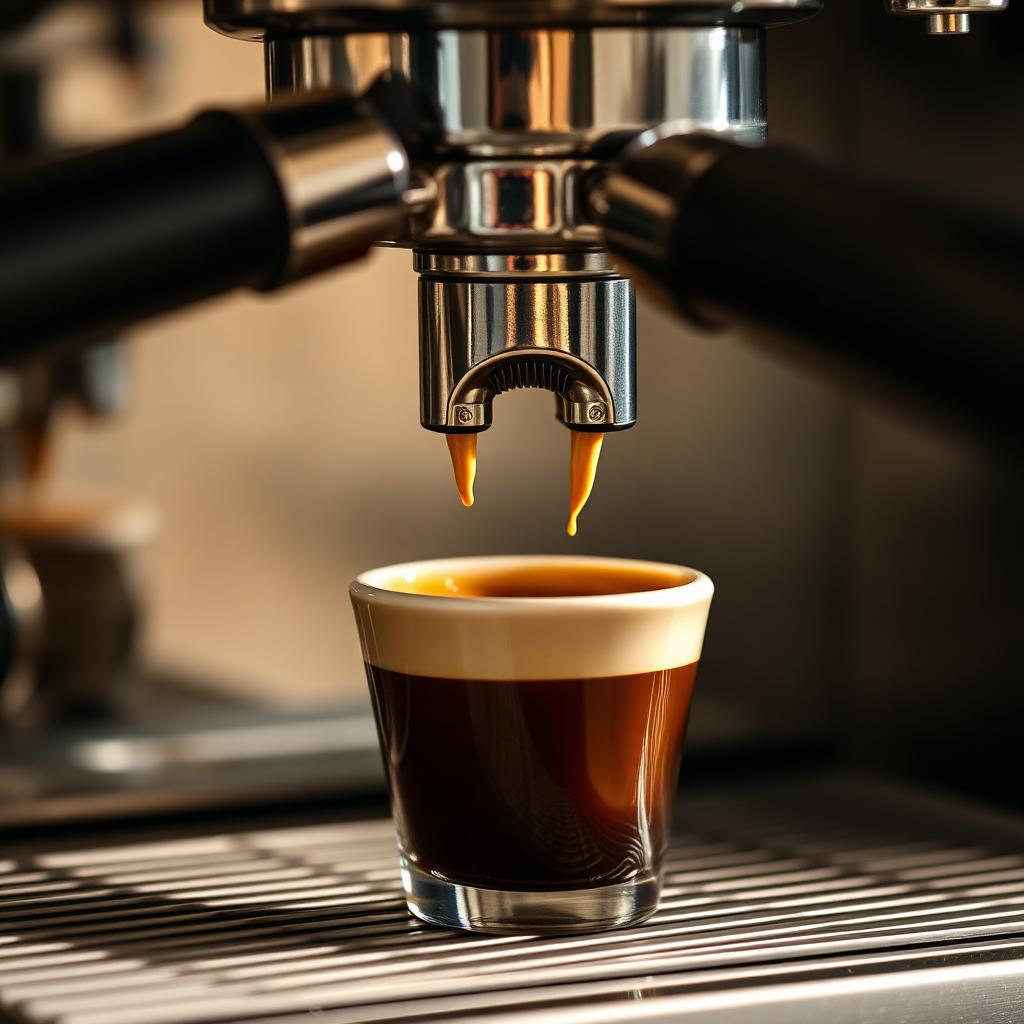
Espresso has a reputation for being complicated, and baristas talk about "dialing in" as if it were a dark art. It is not. Dialing in is simply the process of adjusting a few variables until the coffee tastes right, and once you understand the logic, you can fix almost any bad shot in two or three tries.
Start with what espresso actually is: a small amount of hot water pushed through finely ground coffee at high pressure, for a short time. Because everything is so concentrated, small changes have big effects. That is what makes espresso frustrating — and also what makes it learnable, because the cause-and-effect is fast and clear.
There are three variables that matter most: dose, yield and time. Dose is how much dry coffee goes into the basket — for most double baskets, 16 to 18 grams. Yield is how much liquid espresso ends up in the cup — a good starting ratio is 1:2, so 18 grams in, 36 grams out. Time is how long the shot takes — aim for 25 to 32 seconds. Get a small scale. Guessing is the number one reason home espresso disappoints.
Now the taste logic, which is the heart of dialing in. Sour, sharp, thin shots are under-extracted: the water passed through too fast and did not dissolve enough of the coffee's sweetness. The fix is a finer grind, which slows the shot down. Bitter, harsh, dry shots are over-extracted: the water spent too long scrubbing the grounds and pulled out the bitter compounds that dissolve last. The fix is a coarser grind, which speeds the shot up. Memorize that pairing — sour means finer, bitter means coarser — and you know more than most café customers ever will.
A typical dialing-in session looks like this. Pull a shot at your starting recipe: 18 grams in, 36 out, and note the time. If it gushed through in 15 seconds and tastes like lemon water, go two steps finer and try again. If it dripped painfully for 45 seconds and tastes like ash, go coarser. When the time lands in the high twenties and the taste turns sweet and balanced — chocolate, caramel, gentle fruit — stop. You are dialed in. Two or three shots is usually all it takes.
A few supporting habits make everything more consistent. Distribute the grounds evenly in the basket before tamping — a quick shake or a distribution tool works. Tamp level and firm, but do not obsess over pressure; consistency matters more than force. Use fresh beans, ideally roasted within the past month, because stale coffee gases out and behaves erratically. And when you change to a new bag of beans, expect to re-dial: different coffees, roast levels and even weather will shift your grind setting.
One more mercy for beginners: do not chase perfection on every variable at once. Change only the grind between shots and keep dose and ratio fixed. One variable at a time is how you learn what each one does.
The payoff is real. The difference between an okay shot and a dialed-in one is not subtle — it is the difference between coffee you tolerate and coffee that stops you mid-sentence. Sour means finer, bitter means coarser, and a scale beats a guess. That is the whole art, and it is yours now.