Coffee Stories · Brewing
Grind size: The dial that changes everything
Same beans, same water — completely different coffee. Here's why grind rules them all.
3 min read
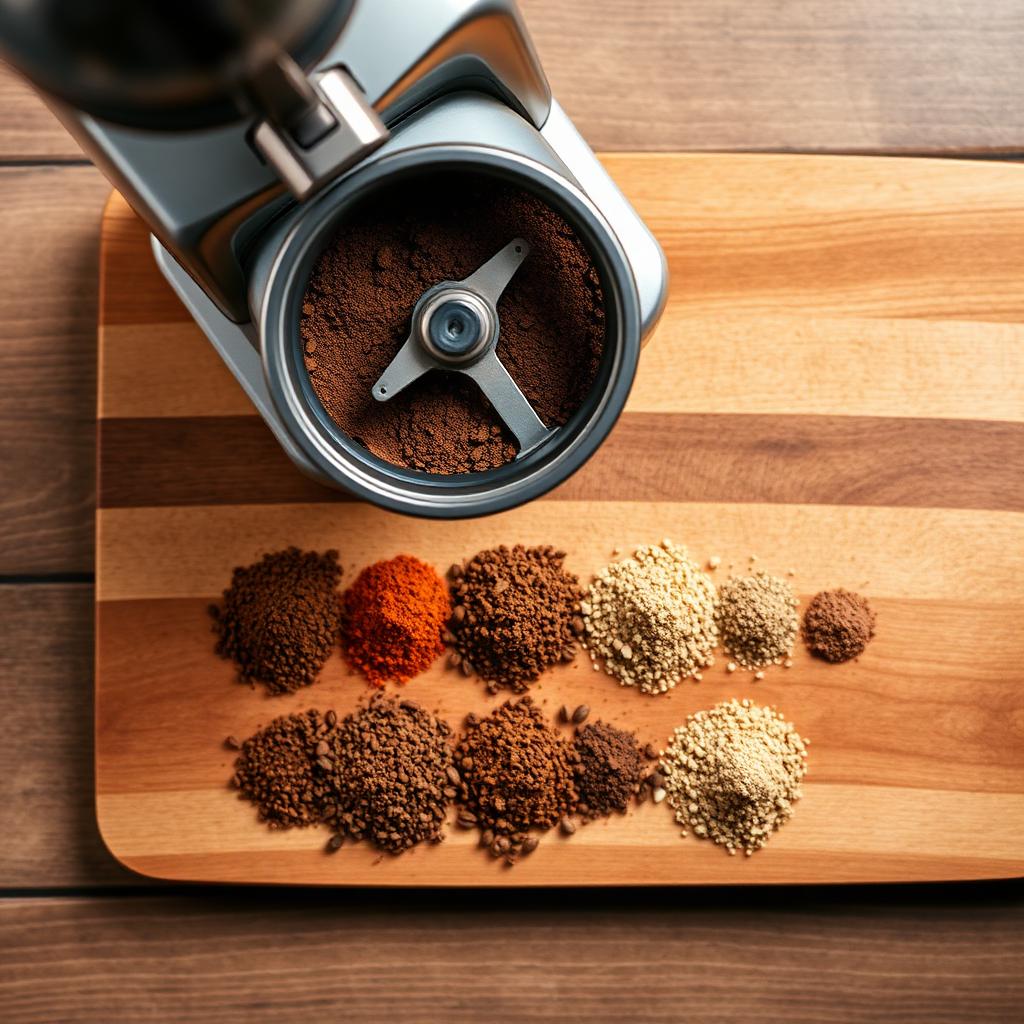
If you could change only one thing about how you make coffee, change how it is ground. Not the beans, not the brewer, not the water — the grind. It is the single most powerful variable in brewing, and understanding it turns coffee-making from guesswork into control.
Here is the principle: grinding determines how much coffee surface touches the water, and surface area controls how fast flavor extracts. Fine grounds have enormous surface area, so water strips them quickly. Coarse grounds extract slowly. Every brew method is really just a combination of grind size and contact time that arrives at the same destination: balanced extraction.
That is why espresso — 30 seconds of contact — needs a powdery fine grind, while French press — several minutes of steeping — wants coarse. Match a fast method with a coarse grind and you get sour, weak coffee (under-extraction). Match a slow method with a fine grind and you get bitterness and mud (over-extraction). Nearly every disappointing cup traces back to this mismatch.
A practical map, from finest to coarsest: espresso feels like powdered sugar with a little grit. Moka pot runs slightly coarser. Pour-over and drip machines want medium — table salt to coarse sand. French press likes medium-coarse to coarse. Cold brew is coarsest of all, like rough breadcrumbs, since it steeps for many hours.
Taste is your compass for fine-tuning. Sour, thin, or grassy: go finer, extraction was too weak. Bitter, harsh, drying on the tongue: go coarser, you extracted too far. Adjust one step at a time and re-taste. This one feedback loop is the core skill of every barista.
Now, the uncomfortable truth about equipment: the grinder matters more than the coffee maker. Blade grinders — the propeller type — smash beans into a chaotic mix of boulders and dust. The dust over-extracts into bitterness while the boulders under-extract into sourness, all in the same cup, and no recipe can fix that. Burr grinders crush beans between two surfaces to a consistent size, and consistency is everything. A modest hand burr grinder produces better results than an expensive machine fed with blade-ground coffee.
Freshness is the final piece. Ground coffee stales within days — sometimes hours — because all that surface area exposes aromatics to oxygen. Whole beans keep for weeks. Grinding just before brewing is the cheapest flavor upgrade in all of coffee.
So: buy whole beans, grind them with burrs, match the grind to your method, and adjust by taste — finer when sour, coarser when bitter. Four habits, one dial, and every method in your kitchen suddenly makes sense.