Coffee Stories · Beans & Origins
Washed, natural, honey: How processing shapes your cup
The same cherry can become three completely different coffees. Here's the step nobody talks about.
3 min read
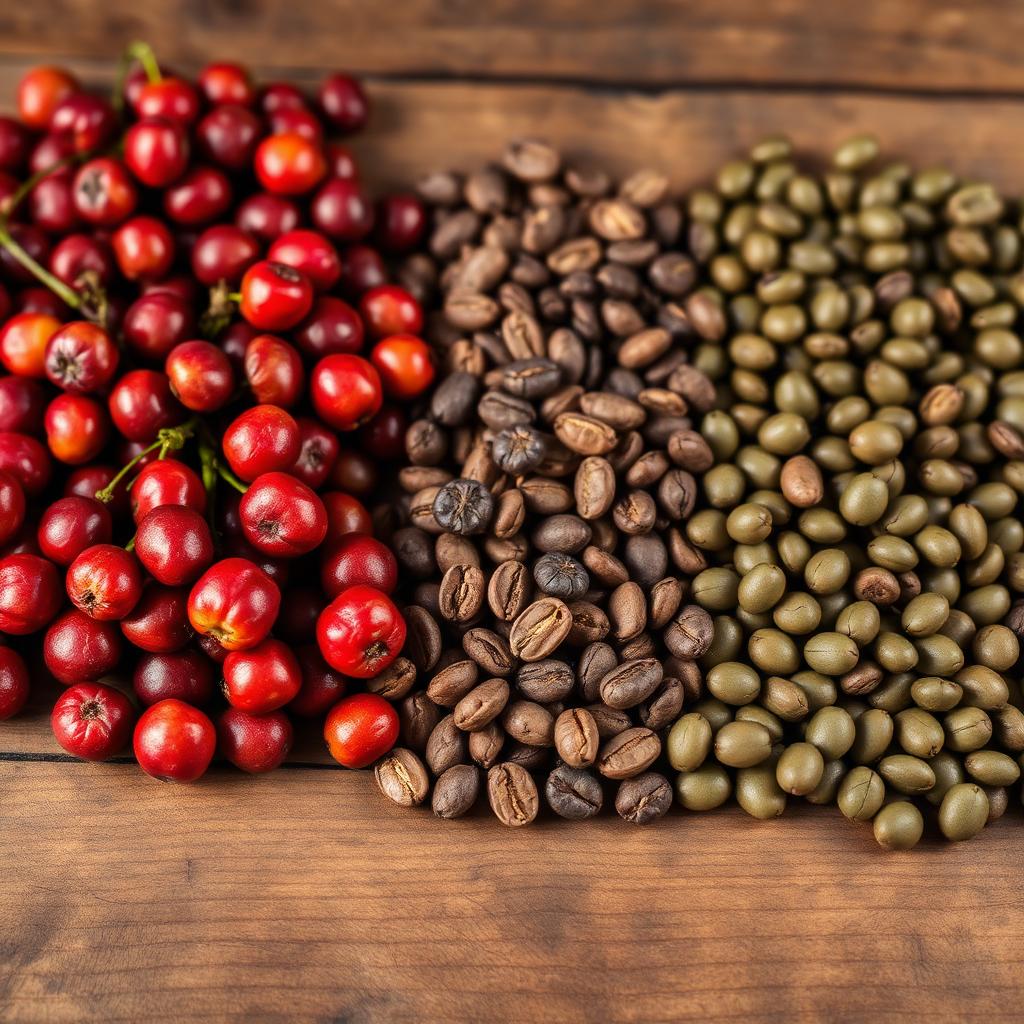
Between the farm and the roaster lies a step most coffee drinkers have never thought about — and it changes the taste of your cup as much as the country of origin does. It is called processing: how the seed gets separated from the fruit around it. Same farm, same cherries, different processing — and you would swear you were drinking different coffees.
Remember that coffee beans are seeds inside a small fruit. Once picked, that fruit has to come off, and there are three main ways to do it.
Washed (or wet) processing strips the fruit away before drying. Cherries are pulped by machine, and the sticky layer of mucilage left on the seeds is fermented in tanks for a day or two, then washed off with water. The seeds dry clean, with nothing but their own character. In the cup: clarity, crisp acidity and transparency — you taste the bean and the place it grew, with nothing in the way. Washed coffees from Colombia, Kenya or Ethiopia are the classic "clean and bright" specialty profile. Most of the world''s high-grade coffee is processed this way.
Natural (or dry) processing is the ancient method: the whole cherry is simply dried in the sun — on raised beds or patios — for two to four weeks, the seed still inside the fruit. As the fruit dries, its sugars and flavors seep into the seed. In the cup: heavy body, big sweetness and unmistakable fruitiness — blueberry, strawberry, tropical punch. A good natural Ethiopian can taste like fruit jam; a careless one tastes fermented and boozy, which is why naturals were long dismissed as low-grade. Done well, they are now some of the most sought-after coffees in the world.
Honey processing sits in between — and involves no honey. The skin is removed, but some or all of the sticky mucilage (which Spanish-speaking producers call miel) stays on during drying. The more mucilage left, the more fruit influence: producers grade them yellow, red and black honey, from least to most. In the cup: washed-style cleanliness with natural-style sweetness — syrupy body, gentle fruit, rounded acidity. Costa Rica and El Salvador made this style famous.
Beyond the big three, experimentation is booming. Anaerobic fermentation — sealing cherries in oxygen-free tanks — produces wild flavors like cinnamon, bubble-gum and tropical candy. Extended fermentations, carbonic maceration borrowed from winemaking, yeast inoculation: the processing frontier is where much of specialty coffee''s innovation now happens, and where record auction prices get set.
Why does this matter to you? Because processing is printed on most specialty bags, and it is the most reliable flavor clue on the label. Want clean, elegant, tea-like coffee? Buy washed. Want loud fruit and sweetness? Buy natural. Curious and moderate? Try a honey. It is a better predictor of what you will taste than roast level or even country.
Next time you are choosing between two bags from the same country, check the processing line. That one word — washed, natural or honey — is quietly telling you exactly what kind of morning you are about to have.