Coffee Stories · Beans & Origins
What "single origin" really means (and when it matters)
It's on every café menu. Here's what the label actually promises — and what it doesn't.
3 min read
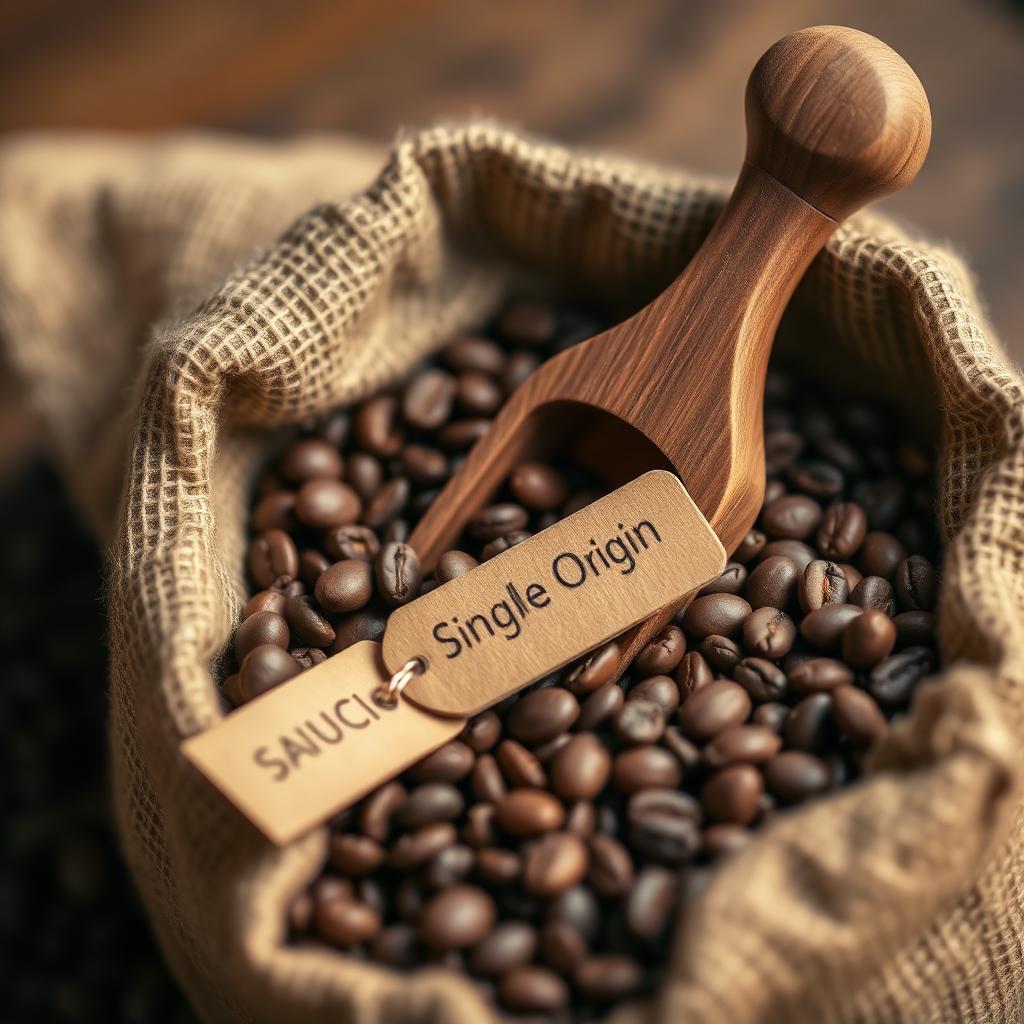
"Single origin" might be the most-used and least-explained phrase in specialty coffee. It sounds premium, costs more, and appears on menus next to reassuring words like "notes of peach." But what does it actually promise — and when is it worth choosing over a blend?
Strictly, single origin means the coffee comes from one place rather than being mixed from several. The catch is how big "one place" can be. At its loosest, it means one country — "Colombian" is technically single origin, though Colombia is vast and varied. Tighter definitions narrow to one region (Huila, Yirgacheffe), one cooperative or washing station, a single farm or estate, and at the extreme, a micro-lot: one specific plot, variety or day''s harvest from a single farm. As a rule, the more precisely a label names its source — farm, farmer, altitude, variety, processing — the more traceable and usually the more carefully produced the coffee is.
Why do cafés celebrate it? Distinctiveness. A blend is designed for consistency: roasters combine origins so the espresso tastes the same in January and July, balanced and crowd-friendly. A single origin is the opposite bet — it preserves the particular character of one place and harvest, quirks and all. The blueberry wildness of a natural Ethiopian or the blackcurrant snap of a Kenyan would be diluted to nothing inside a blend. Single origins exist so those personalities can be tasted at full volume.
There is also a human dimension. Traceability means the farm on the label can build a reputation, command premiums and sell directly to roasters year after year. When you buy a coffee with a farmer''s name on it, more of the story — and often more of the money — stays connected to the source.
But here is the honest part: single origin does not mean better. It means specific. A mediocre single origin is entirely possible, and a well-built blend beats it every time. Blends dominate espresso for good reasons — balance under milk, consistency, body. Many world-class cafés proudly run blends as their house espresso and reserve single origins for filter, where subtlety survives.
So when should you choose one? Order single origins as black coffee — filter, pour-over, or a straight espresso — when you want to taste something with a personality. Choose blends for milk drinks and daily consistency. And when a menu offers a single origin filter you have never heard of, that is usually the barista''s pride: ask about it. The best coffees on the menu are often the ones with the longest stories behind them.