Coffee Stories · Beans & Origins
Why Ethiopian coffee tastes different
Discover how altitude, soil, and tradition create unforgettable flavors.
3 min read
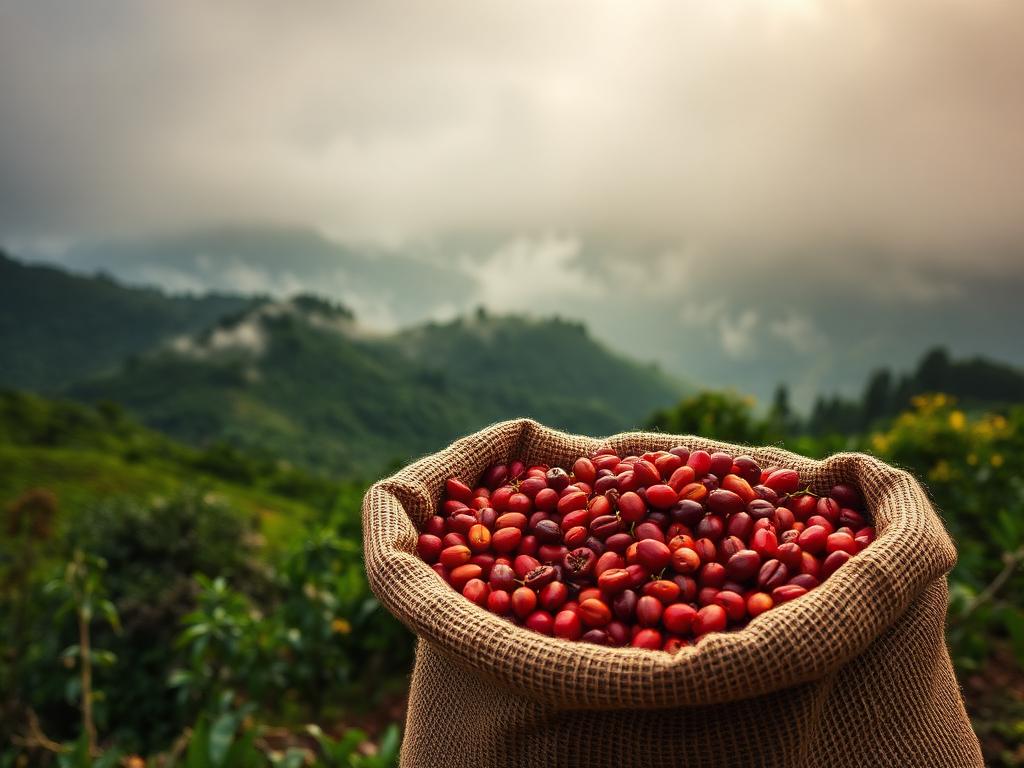
Walk into any specialty café and ask the barista which coffee they drink at home, and there is a good chance the answer starts with "this Ethiopian I've been loving." There is a reason for that. Ethiopian coffee occupies a special place in the coffee world, and once you understand why, you will taste it differently too.
Start with altitude. Most Ethiopian coffee grows between 1,800 and 2,200 meters above sea level, some even higher. At that elevation the nights are cool and the days are mild, so coffee cherries ripen slowly. Slow ripening gives the bean more time to develop sugars and complex acids, which later translate into the floral, citrus and berry notes Ethiopian coffees are famous for. A bean grown fast at low altitude simply never builds that complexity.
Then there is genetics. While most producing countries grow a handful of commercial varieties, Ethiopia is coffee's genetic home. Thousands of so-called heirloom varieties grow wild and semi-wild in its forests, many of them never formally classified. Every hillside can carry a slightly different genetic mix, which is why two washing stations a few kilometers apart can produce remarkably different cups.
Geography does its part as well. The soils of the Ethiopian highlands are largely volcanic in origin — deep, slightly acidic and rich in the minerals coffee trees love. Combine that with generous rainy seasons and natural shade from surrounding trees, and you get growing conditions most farms elsewhere spend fortunes trying to imitate.
Regions matter too, and learning three names will take you far. Yirgacheffe is celebrated for delicate, tea-like coffees with jasmine and lemon notes. Guji and Sidama tend toward juicy, berry-driven sweetness. Harrar, in the east, produces wilder, fruit-forward coffees with a distinctive blueberry character when processed naturally.
Processing shapes the final cup as much as origin. Washed Ethiopian coffees are clean, bright and floral. Naturals — dried inside the whole cherry — soak up fruit sugars and can taste like strawberry jam in a cup. If you have ever been shocked that black coffee could taste like fruit, it was probably a natural Ethiopian.
Finally, there is tradition. Coffee is not an export commodity bolted onto Ethiopian life; it is woven into it. The traditional coffee ceremony — green beans roasted over coals, ground by hand and brewed three times in a clay jebena — remains a daily ritual of hospitality in millions of homes. Farmers there do not just grow coffee. They drink it, judge it and take pride in it.
How should you brew it? Gently. A pour-over or filter method at a slightly finer grind lets the florals and citrus shine. Go easy on dark roasting — most roasters keep Ethiopians light precisely to protect those origin flavors.
Next time you see an Ethiopian single origin on a café menu, order it as a filter coffee and taste it before adding anything. Somewhere in that cup is high-altitude fruit, wild genetics and a thousand years of tradition — and once you notice it, ordinary coffee is never quite the same.